Navigating the Cancer Journey: Empowering Patients through Education, Advocacy, and Treatment Options
Navigating the cancer journey is an arduous task that often leaves patients feeling overwhelmed and vulnerable. Knowledge is power, and when it comes to battling malignancies, empowering yourself with essential information can make all the difference. Imagine stepping into the world of oncology with confidence, armed with the understanding of your diagnosis, treatment options, and available support. This blog will guide you through the critical aspects of cancer care, emphasizing health education, patient advocacy, and the resources right at your fingertips.
How often have we heard, "knowledge is the best medicine?" For every cancer patient, this rings incredibly true. From the moment of your diagnosis, understanding your specific neoplasm and its potential symptoms becomes paramount. Are you clear on the type of cancer you’re fighting? Whether it’s a tumor related to breast cancer or lung cancer, knowing how it affects your body is crucial. Ask questions. Inquire about your oncologist's experience with similar cases. Much like a road map, comprehensive knowledge will guide you toward informed decisions about your cancer therapy.
Did you know that in addition to conventional treatments like chemotherapy and radiation therapy, there are numerous emerging treatment options available through clinical trials? Medical research is relentless in its pursuit of innovative solutions, including immunotherapy and complementary therapies that may offer new hope for improving cancer survivorship. It is essential to keep an open dialogue with your healthcare team. Staying informed can also lead you to participate in cancer awareness campaigns or find cancer organizations dedicated to your specific type of cancer, which can provide invaluable patient resources.
But it doesn't stop there—lifestyle changes play a pivotal role in supporting your body during treatment. Nutrition and cancer go hand in hand; fueling your body with the right nutrients can positively impact your energy levels and overall wellness. Have you considered integrating holistic health practices into your routine? From stress management techniques to gentle exercise, small changes can fortify your resilience during these challenging times. Building a supportive network through community support and patient advocacy groups is just as vital. Sharing your experience and hearing others' stories can instill hope and remind you that you are not alone on this journey.
Finally, let’s not forget the power of palliative care. Many people misconstrue it as end-of-life care; however, it is much more than that. Palliative care focuses on improving the quality of life for patients through extensive symptom management and emotional support—providing a holistic approach to cancer treatment. When seeking comprehensive cancer care, always remember that every conversation with your oncologist counts, every bit of medical innovation holds potential, and every support group can deliver strength. Armed with knowledge and the right resources, you’re well on your way to empowering yourself as you navigate the complexities of your cancer journey.
From Diagnosis to Survivorship: Navigating Treatment Options and Beyond
Receiving a cancer diagnosis can feel like landing in uncharted territory. It’s a word that evokes fear and uncertainty, making even the bravest among us feel vulnerable. Yet, if there's one thing this journey from diagnosis to survivorship teaches us, it's that knowledge is power. Understanding the intricacies of oncology, the various types of malignancies, and the available treatment options is crucial. Whether you're battling a neoplasm yourself or supporting a loved one through their cancer care, familiarity with medical terminology, treatment pathways, and support resources can illuminate the path ahead and instill a sense of agency and hope.
When faced with a title like 'cancer patient,' it’s easy to overlook the individual behind the diagnosis. Cancer is not just a clinical term; it is a journey defined by the intertwined experiences of fear, resiliency, and empowerment. From deciding on chemotherapy or radiation therapy to exploring cutting-edge immunotherapy, every choice affects the trajectory of one's cancer treatment. What if the key to a successful recovery lies in informed choices, patient advocacy, and the support of community resources? One doctor summed it perfectly: "An oncologist is not just a healer; they become a partner, guiding patients through what can feel like a storm." Being actively involved in healthcare decisions can give patients a sense of control, fostering a healthier mindset when grappling with such a significant diagnosis.
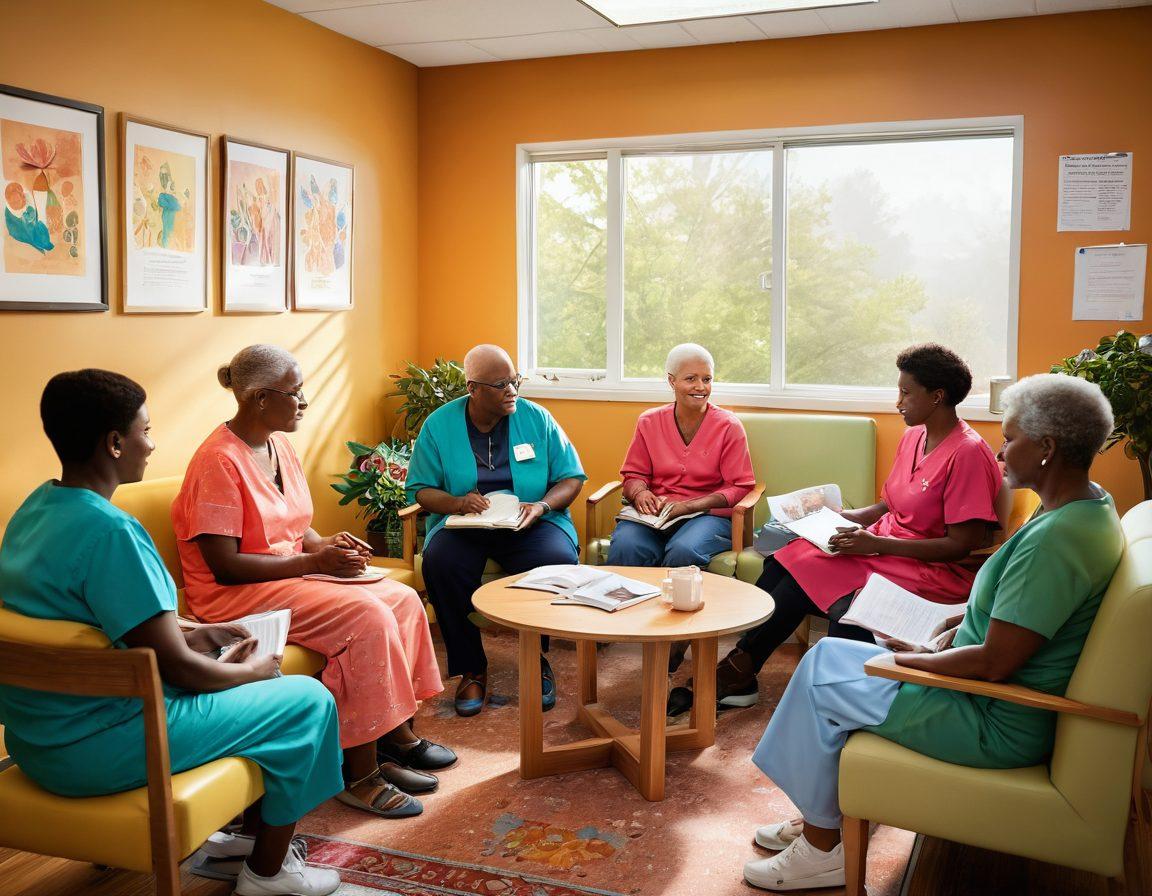
One cannot understate the power of support groups in the cancer journey. Having a network of individuals who understand the nuances of living with cancer or supporting someone through its trials makes an immense difference. Consider this: how comforting is it to share experiences and hear stories of survivorship? Communities provide not merely companionship but also valuable health education, insights into nutrition and cancer, and shared stories of resilience. Think about your own support system—who in your life helps lift you up, even on the most challenging days? Engaging with cancer organizations or local support groups is a proactive step that can provide essential emotional and practical backing along this path to wellness.
The landscape of cancer therapy is constantly evolving, thanks to medical research and innovation. As patients, it’s essential to stay informed about clinical trials and emerging treatment options—because the more we know, the better outcomes we can expect. From conventional treatments like chemotherapy and radiation to promising alternatives found in complementary therapies, the breadth of options is vast. However, it’s critical to approach each treatment with an educated mind. Questions to ask your oncologist might include, "What are the side effects? How does this treatment fit into my overall care plan?" Embrace this process of inquiry; it empowers you as an individual rather than just a patient navigating the complexities of modern healthcare.
Just as crucial as treatment decisions are the lifestyle changes that can enhance overall well-being during and after cancer therapy. Incorporating dietary alterations, regular physical activity, and stress management techniques can support both body and spirit on the road to recovery. There's a growing awareness surrounding the role of nutrition in cancer prevention and survivorship. Even small steps—like adding more fruits and vegetables to your plate or trying out a new yoga class—can play a significant role in how one copes with treatment and improves quality of life. Let’s start a conversation: what healthy habits are you willing to adopt for your wellness journey? Remember, the journey doesn't have to be faced alone; your health and wellness journey can benefit from a holistic approach, integrating emotional and physical care.
In conclusion, from emphatic advocacy to various treatment options, understanding your cancer journey is an act of empowerment. Engaging actively with your oncologist about treatment options, seeking out patient resources and support groups, and embracing wellness strategies are paramount to navigating the cancer experience, particularly in the transitional phase of survivorship. Remember that patience is a virtue; alongside your healthcare team, every step you take pushes the envelope in the fight against cancer, making informed choices a beacon of hope for not just patients, but their families and communities too. Together, let’s continue to spread cancer awareness and uplift each other in this journey of resilience and healing.
Building Community: The Importance of Advocacy and Support in the Cancer Journey
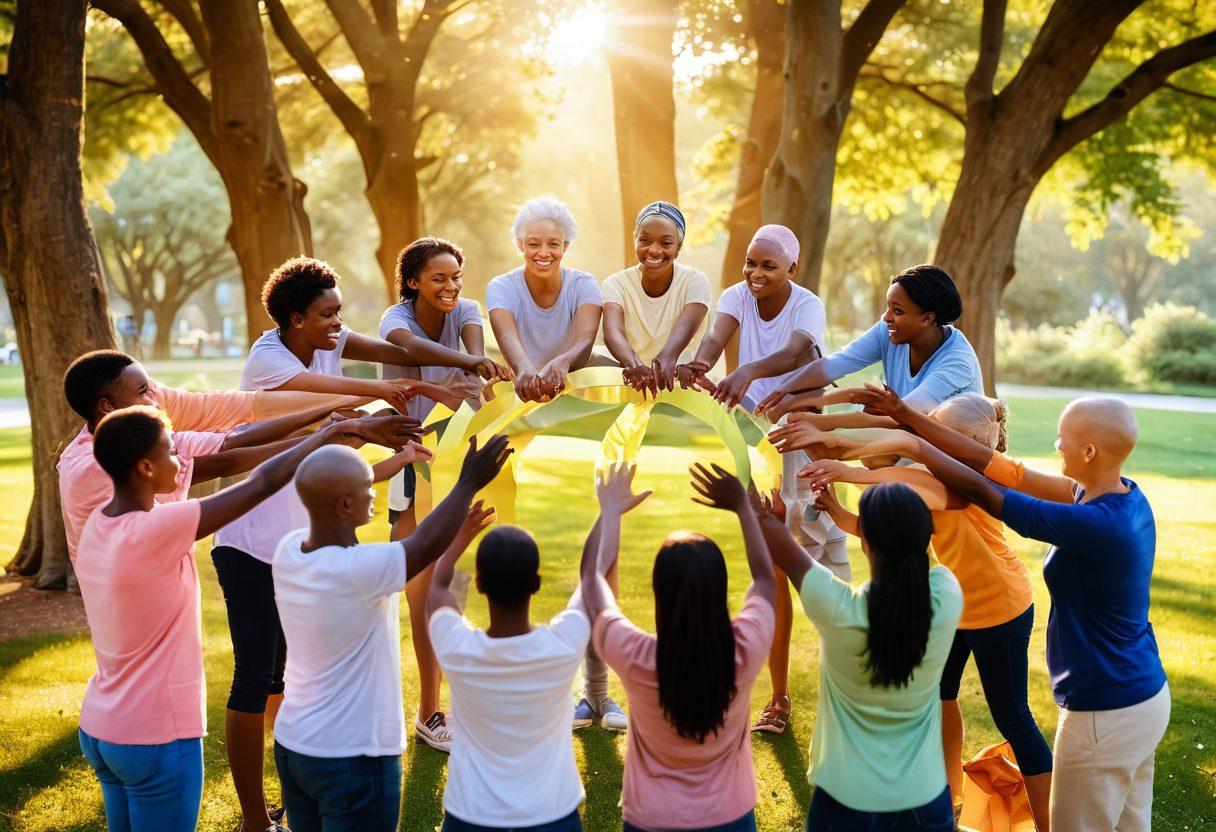
As we embark on the intricate and emotional journey of facing cancer, one of the crucial elements that can make a significant difference is the power of community. The diagnosis of malignancy can feel isolating, often leaving patients and their loved ones grappling with fear and uncertainty. It is during these times that support from advocates, fellow patients, and cancer organizations becomes invaluable. With the right resources and encouragement, individuals can discover a path of hope amidst the challenges of cancer therapy and treatment options. So, how does community support manifest in the world of oncology?
Imagine a space where individuals battling similar challenges come together, share their stories, and uplift one another. Support groups serve as a sanctuary, offering emotional resilience and practical advice alongside the clinical information we often focus on. Patients may learn about coping mechanisms or nutrition and cancer topics that enhance their overall wellness and survivorship. Sharing experiences of treatment options like chemotherapy, radiation therapy, or even the latest advancements in medical innovation such as immunotherapy can provide insights that empower others in their own situations. Have you ever felt understood by someone who just 'gets it'? That's the essence of community support.
The role of patient advocacy cannot be overstated in the cancer journey. Advocates are the heartbeat of progress, tirelessly pushing for improvements in cancer care and cancer awareness campaigns. They fight for better access to healthcare, pushing for the inclusion of holistic health approaches and complementary therapies that form a more rounded cancer treatment regimen. With every battle fought, more resources emerge, from funding medical research to elevating patient resources that ensure no one navigates their illness alone. How can we, as advocates and allies, contribute to this essential fight?
When we face a diagnosis of tumors or neoplasms, it's only natural to search for answers, and that's where education becomes pivotal. Engaging in health education provides crucial knowledge about symptoms, diagnosis, and available treatment options. It empowers patients to make informed decisions. Indeed, understanding cancer statistics can lead to better awareness and proactive behaviors that assist in cancer prevention strategies. Significant lifestyle changes can play a key role in one’s wellness journey. Have you considered how an informed choice can profoundly impact your path?
Lastly, let's not overlook the role of medical research and clinical trials in the fight against cancer. They are the stepping stones toward breakthroughs in cancer therapies. Being part of the community means staying informed of studies and advancements that shape future treatment landscapes. Together, we can nurture an environment where individuals feel secure in their journeys and connected to others who share a similar fight. Supporting each other, advocating for fair care, and continually educating ourselves is not just beneficial; it's essential. Let's build that community one heart at a time. How can you contribute to this tapestry of support the next time it needs weaving?